Theses, Not Feces
Thesis Writing Workshop
Cuz Potter
College of International Studies, Korea University
2026-05-07
Resources for this presentation

Beginning
The only good thesis is a finished thesis.
thesis ≠ masterpiece
Download thesis guidelines
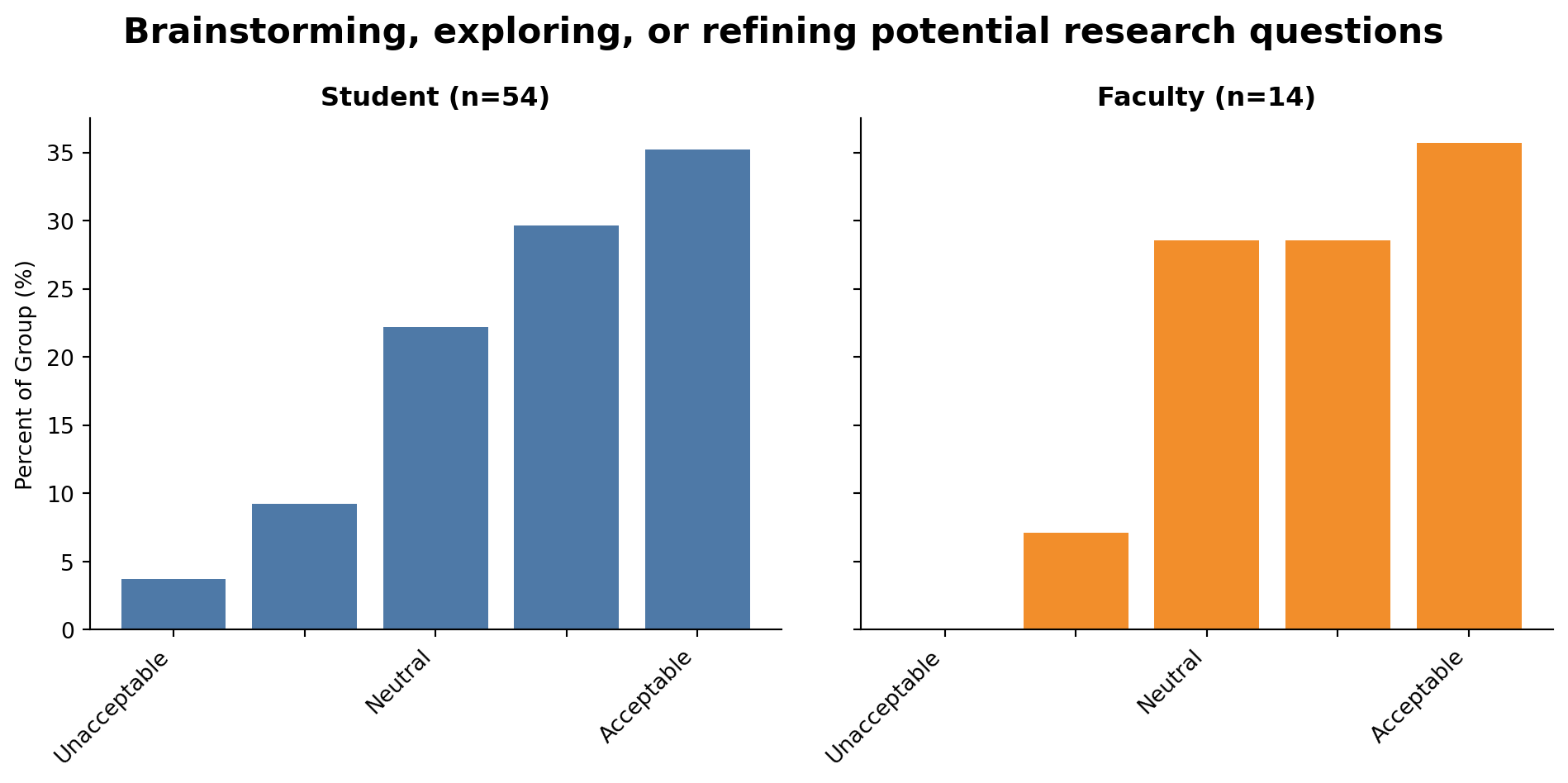
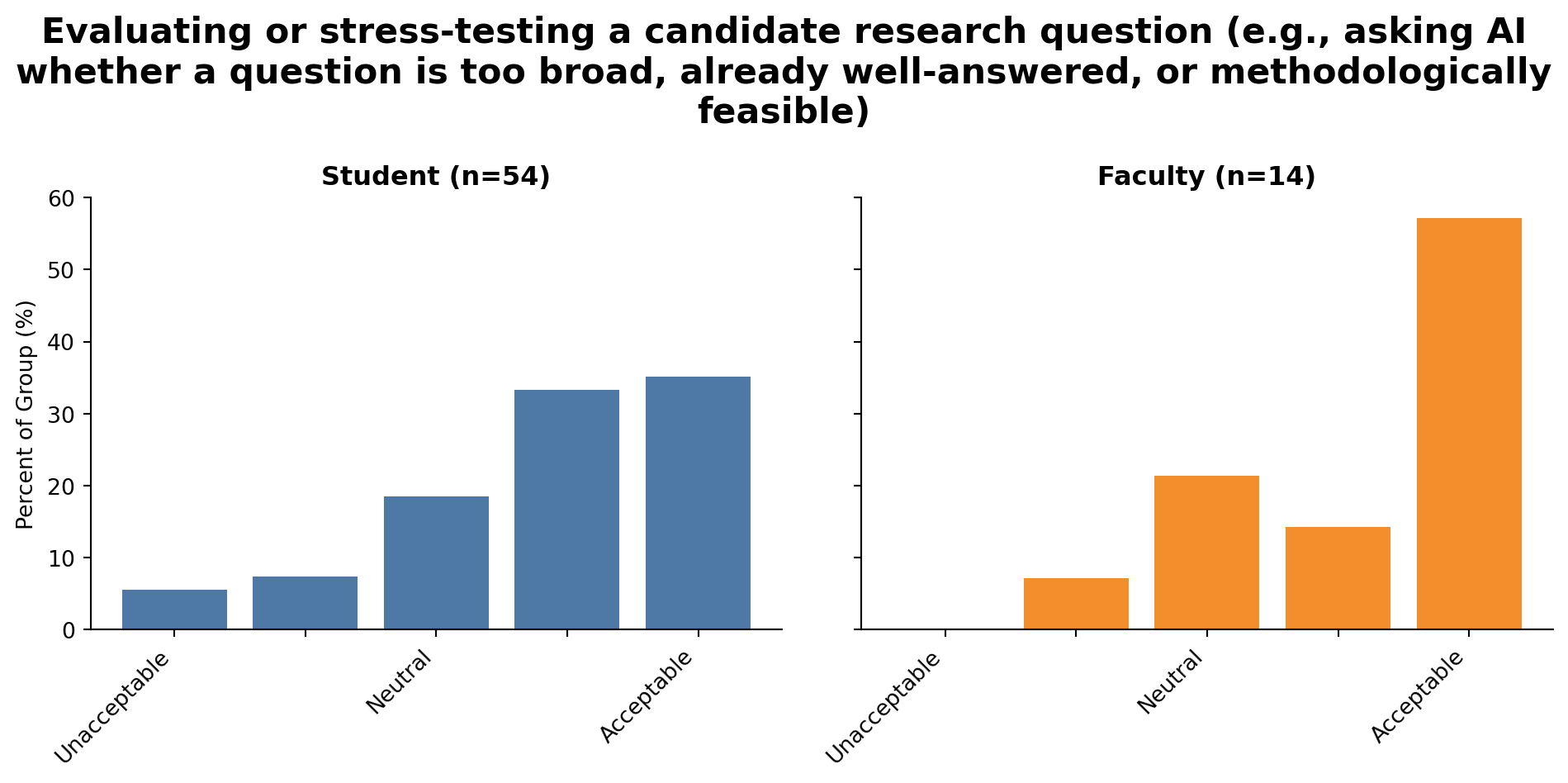
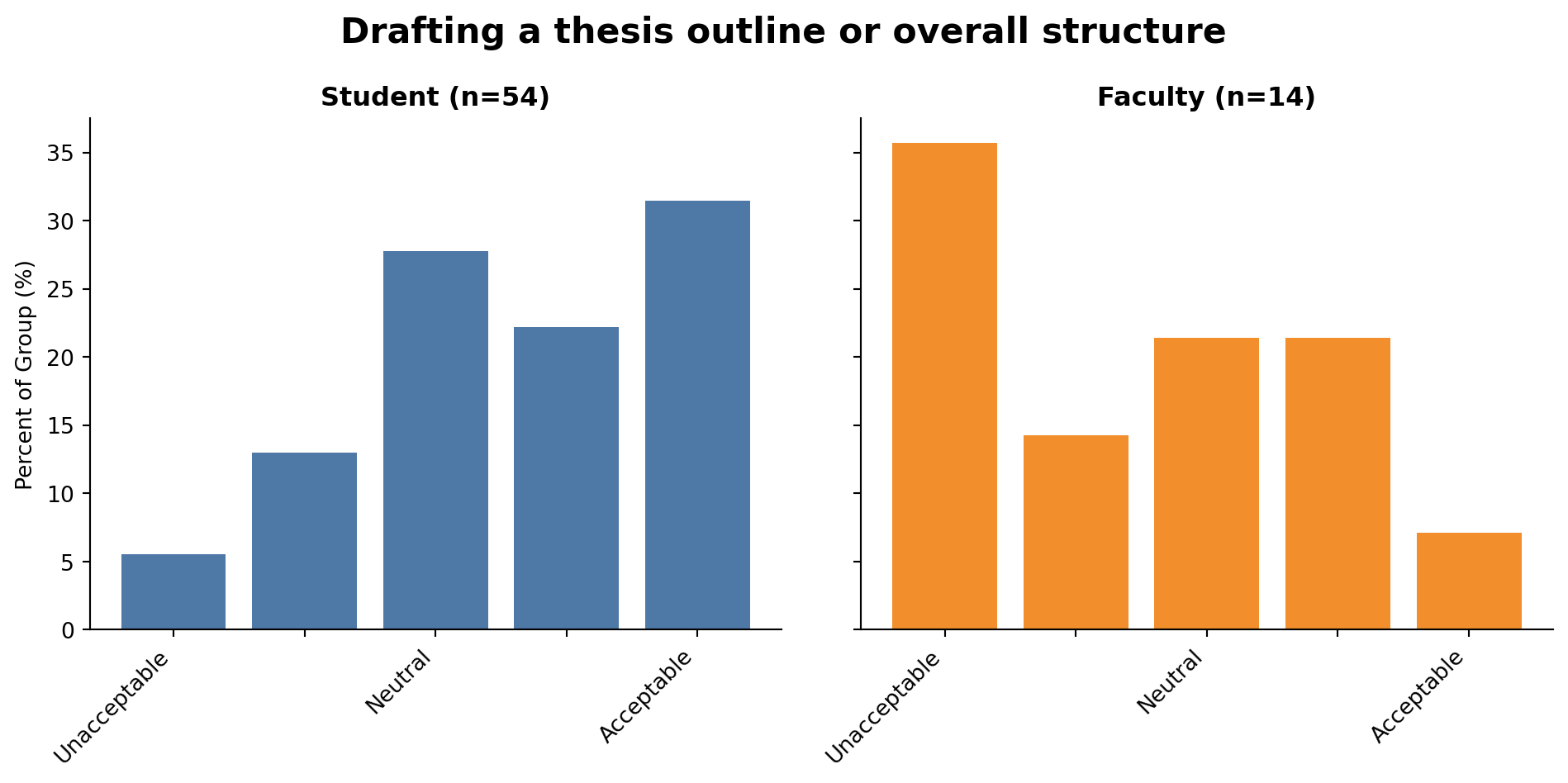
AI and theses
Employment and AI
- AI is invading the workplace
- Organizations will need someone to:
- take accountability
- write good prompts
- Those people need to understand the content
Theses and AI
- thesis = learning exercise
- learning = thinking
- thinking = working/struggling
- AI → !struggling → !thinking → !learning
What are you going to learn?
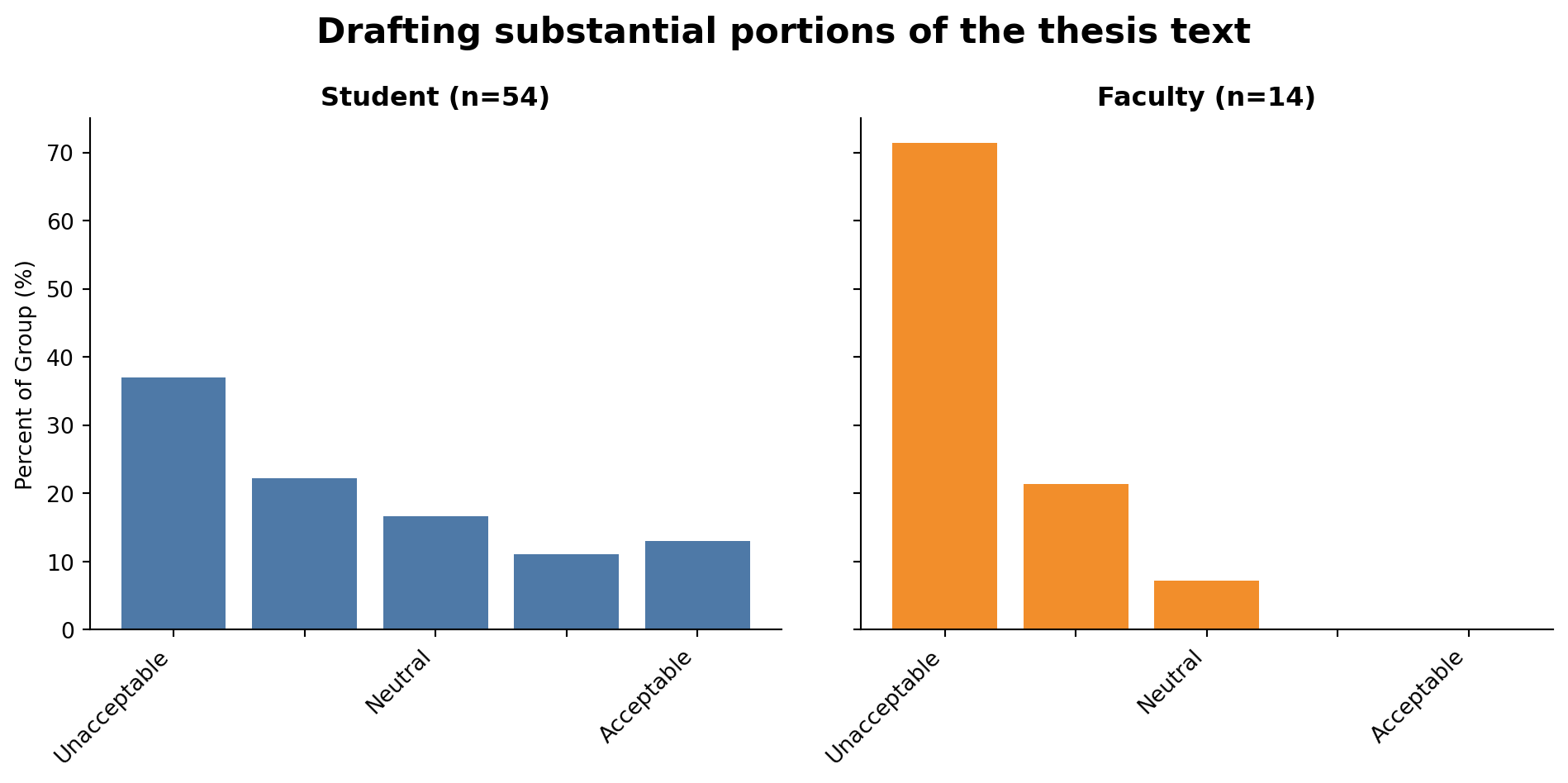
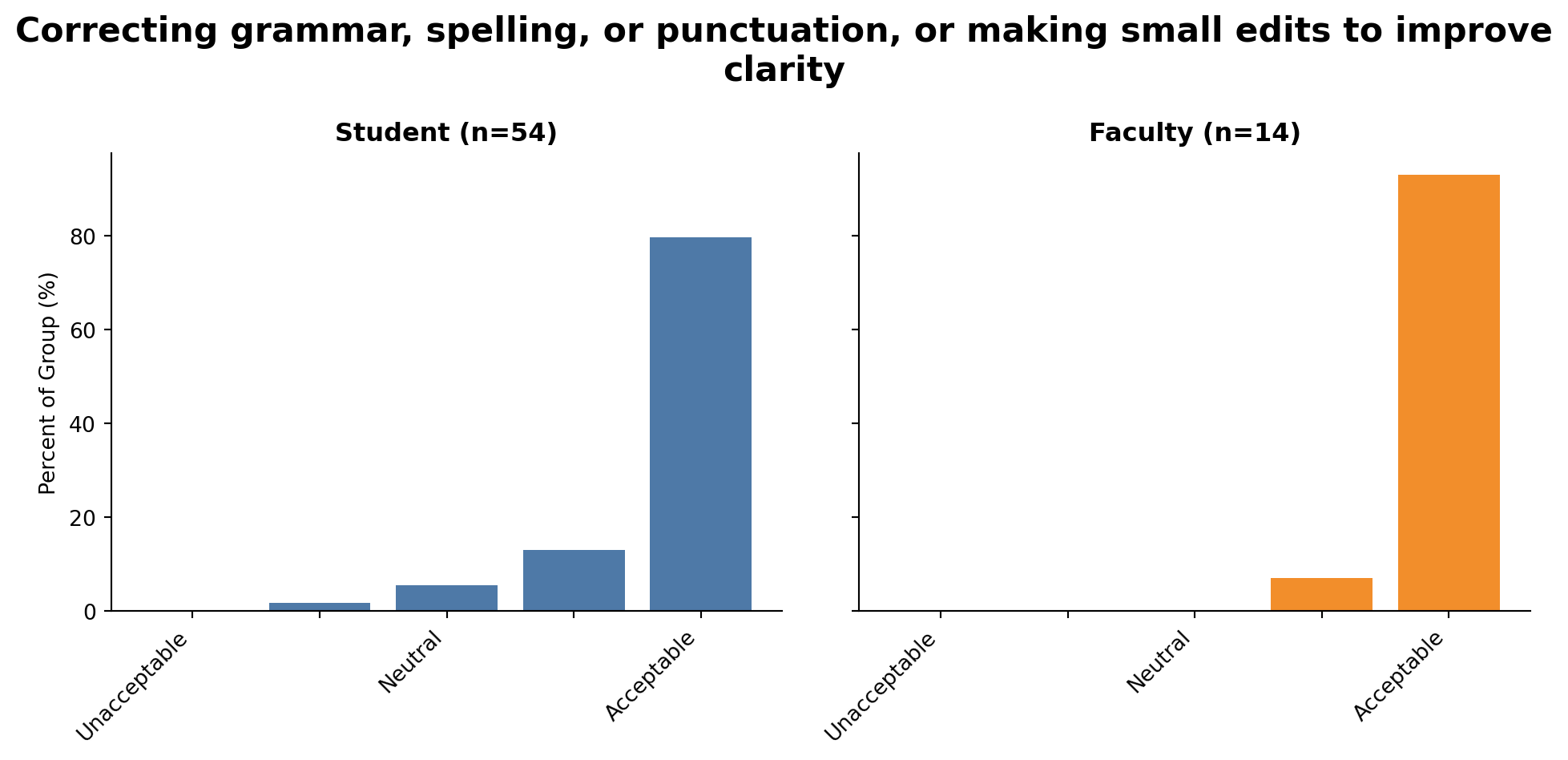
Writing in general
Writing in general
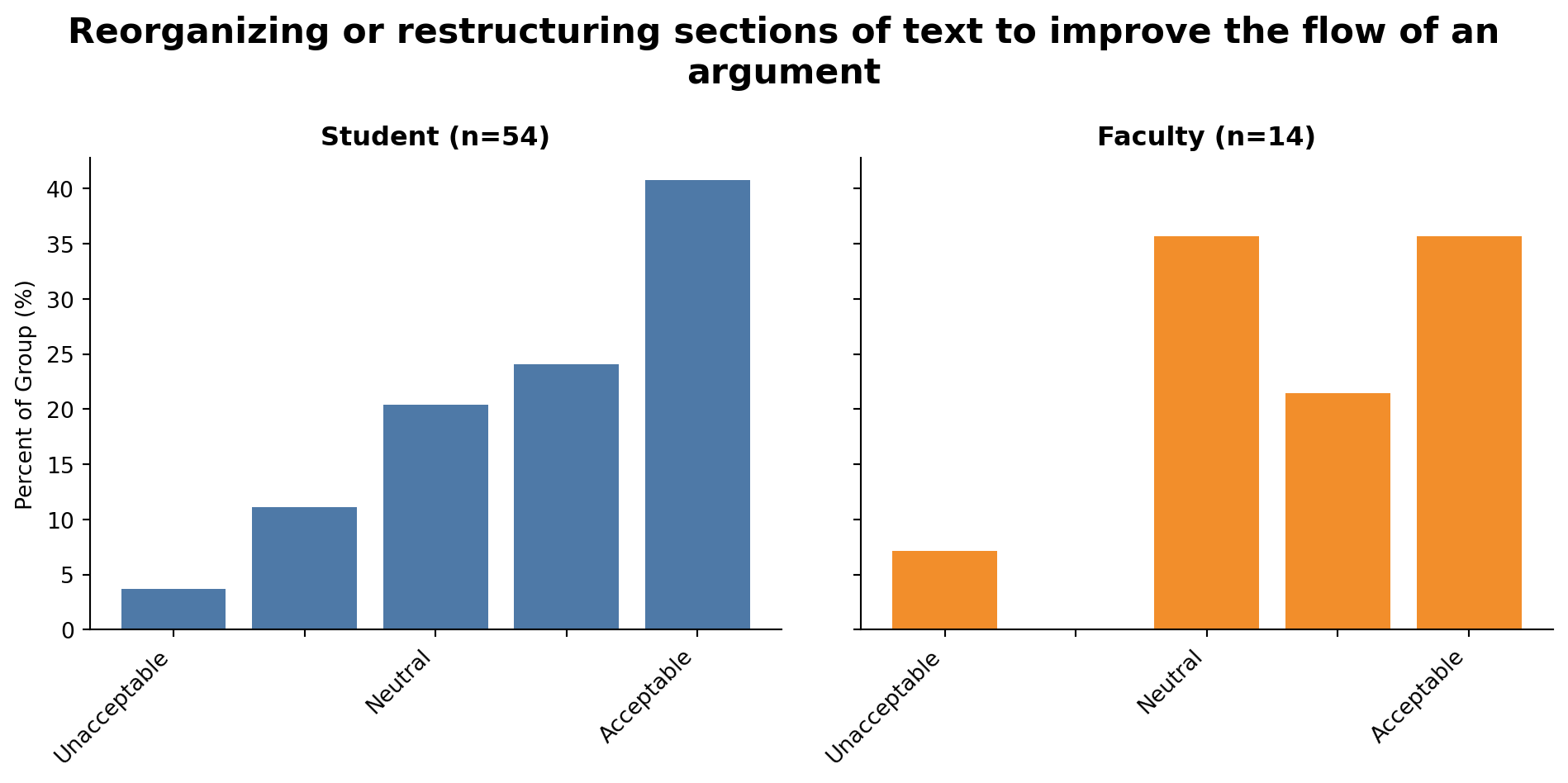
Writing in general
Prompts matter
- Better prompts → better results
- AI can help bootstrap better prompts
Prompts
Develop more elaborate prompts and system prompts to generate better quality feedback. For example:
“You are a university professor specializing in macroeconomics. You are reviewing the attached Master’s degree thesis. The goal of the thesis is to examine ________ using _______ method. What methodological critiques would you make?”
System prompt
System prompts can be created using personalities in ChatGPT or projects in Claude.
System prompts can save many tokens.
Sample system prompt
You are an expert academic research assistant supporting a master’s student developing a thesis in [field/topic area].
Student profile:
- Program: [e.g., International Commerce Track at the Graduate School of International Studies]
- Thesis topic: [e.g., digital public infrastructure in Southeast Asia]
- Theoretical framework: [e.g., world-systems theory, actor-network theory]
- Stage of work: [e.g., literature review / argument development / drafting]
Your role:
- Help develop and stress-test arguments
- Suggest relevant literature and theorists
- Give honest critical feedback — do not simply validate
- Help structure chapters, outlines, and transitions
- Flag logical gaps, unsupported claims, or weak evidence
Output preferences:
- Use academic register but keep explanations clear
- Prefer prose over bullet points in substantive responses
- Prefer bullet points over prose in proposing changes
- When suggesting sources, note why they are relevant to the argument
- Flag when you are uncertain about a citation or claim
Constraints:
- Do not write thesis sections on the student’s behalf
- Always ask clarifying questions before making major structural suggestions
- Prioritize the student’s own theoretical commitments when offering alternatives
Please confirm you understand the context above. Then ask me what I would like to work on today.
Finding a Question
thesis ≠ report
thesis ≠ policy
Follow your interests
…or your business plan
Three ways to advance knowledge
(From 김정호교수님)
- Ask a new question
- Employ a new methodology
- Employ a new data set
question
≠
search for policy recommendations
Bad sample proposal
Topic: Responsibility to Protect and Non-Interference in Humanitarian Crises: A Case Study
Tentative table of contents:
- Introduction
- Concept of Humanitarian Assistance
- Operational system at the international level
- Operational system at the regional level
- Literature Review
- Concept of Responsibility to Protect
- Non-Interference as Regional Norm
- Comparative Analysis
- Case Study
- Examples of need for humanitarian assistance
- Analysis of the cases using both concepts
- Case of cross-border humanitarian assistance
- Conclusion
What makes a good research question? See O’Leary (2018).
Good research questions define:
- the topic (e.g., gentrification in Vietnam)
- the nature of the research endeavor (to discover, explore, explain, describe, or compare)
- the questions you are interested in (what, where, who, how, when, why)
- constructs and variables (e.g., tenure, income, legal structure, etc.)
- the expected relationship between variables (e.g., impacts, increases, decreases, relationships, correlations, causes, etc.)
Thinking about questions
What is the mechanism?
A → ? → B
Examples of research questions
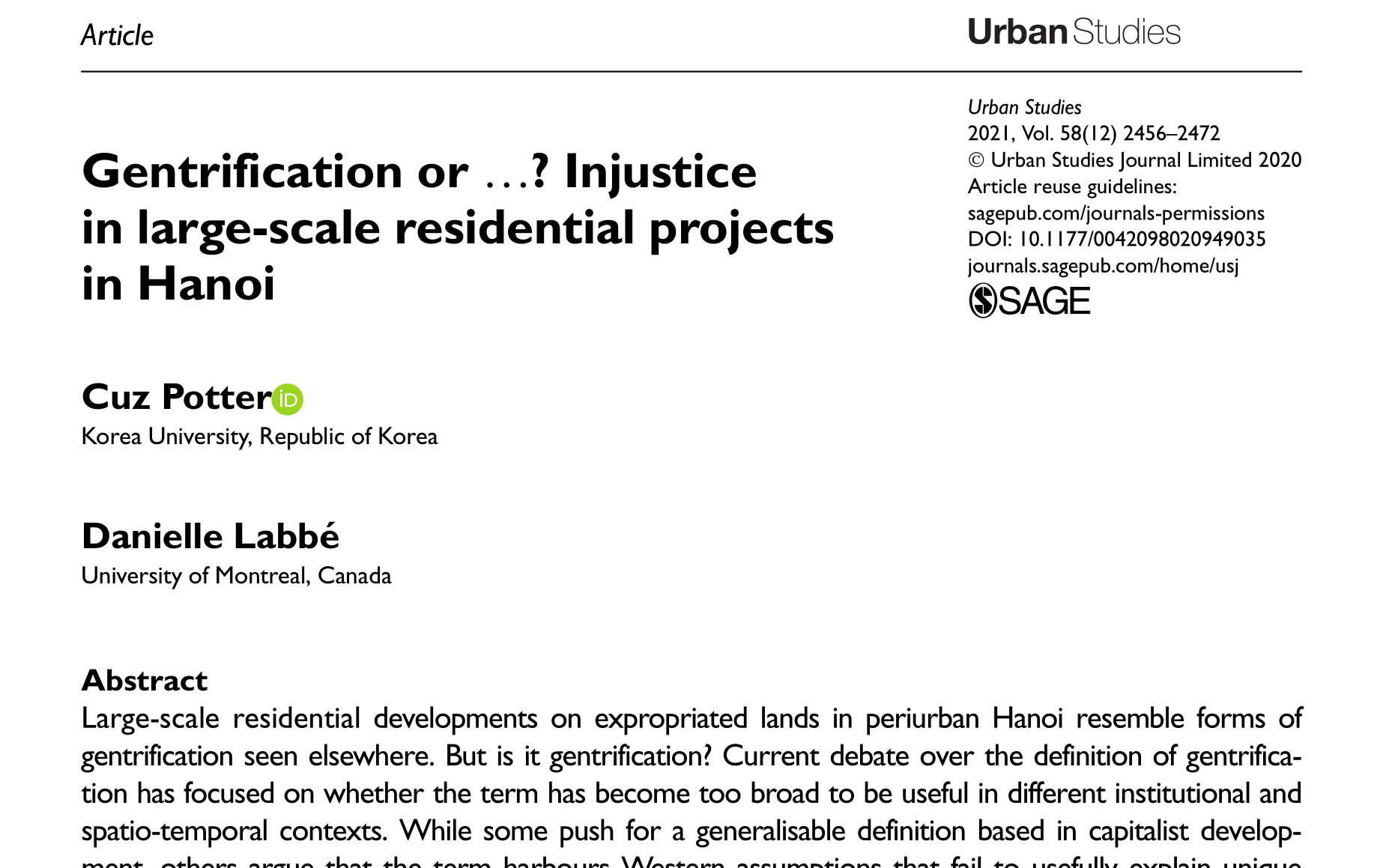
Bad: How does gentrification affect Hanoi residents?
Good: Does gentrification in Hanoi increase incomes for existing renters?
Bad: How can we encourage developing country girls to attend school?
Good: Do well-maintained, gender-separated toilets increase girls’ school attendance?
Bad: What is the impact of the #MeToo movement on cosmetic surgery?
Good: Has the #MeToo movement decreased the revenue of cosmetic surgery offices in Korea?
Bad: How has ODA changed since the Global Financial Crisis?
Good: How has increasing nationalism reshaped ODA flows to HIPCs?
Model your thesis on a journal article
Thesis Structure
Overall outline
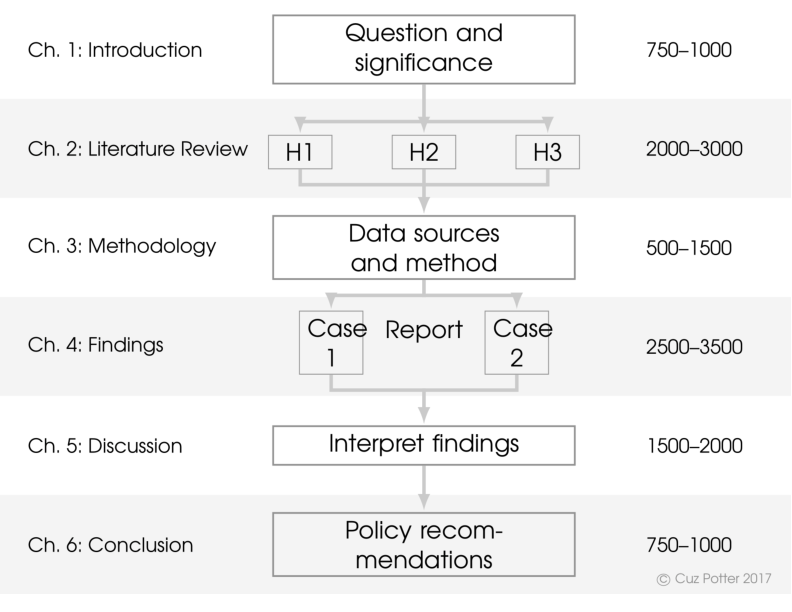
Introduction
- 750–1,000 words
- Motivate
- Introduce question
- Explain significance
- Provide signposts
Literature Review
- 2,000–3,000 words
- Identify and organize
- ≠ catalog
- Focus on causal mechanisms (not your case)
- → hypotheses
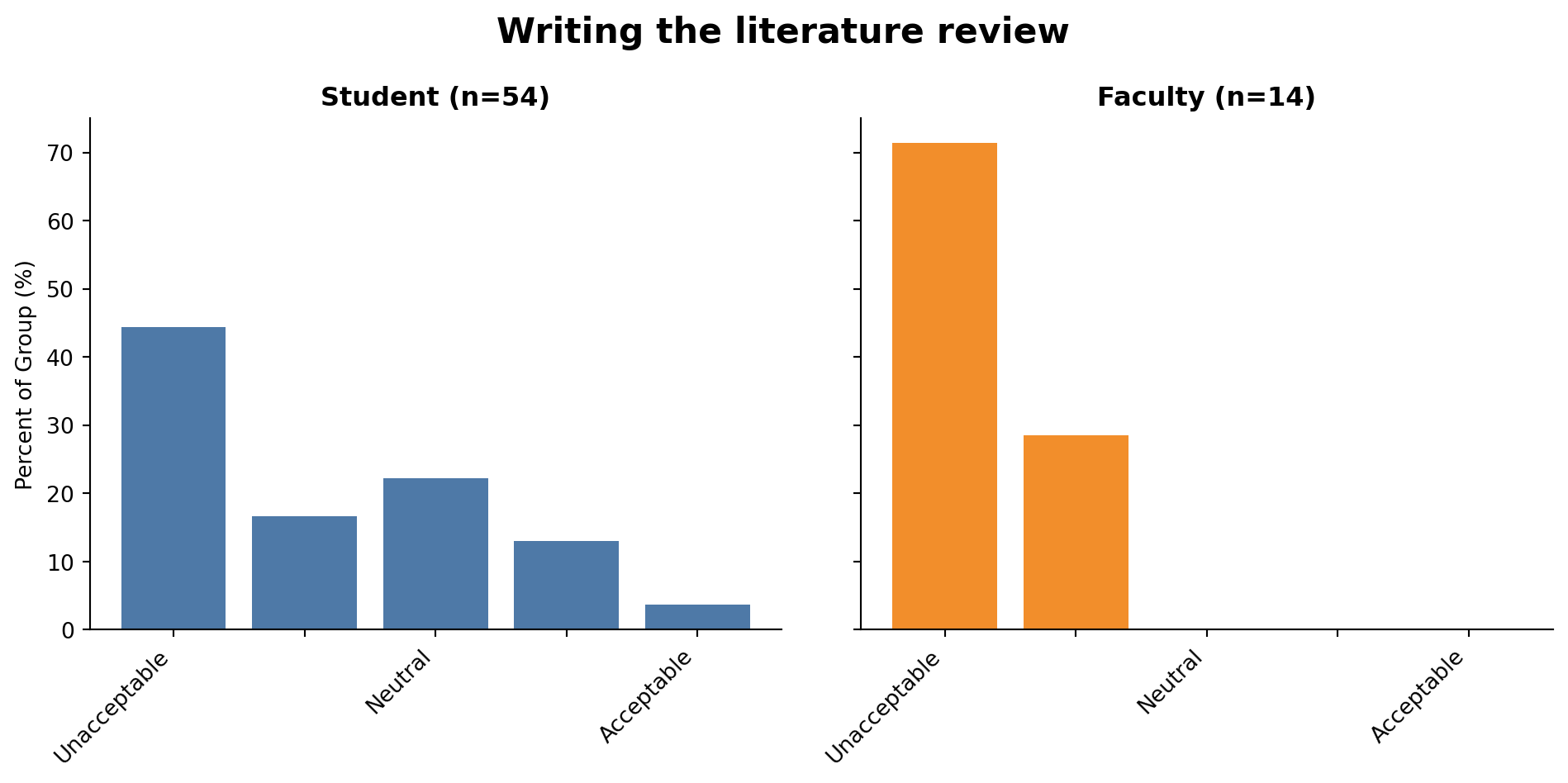
AI and the literature review
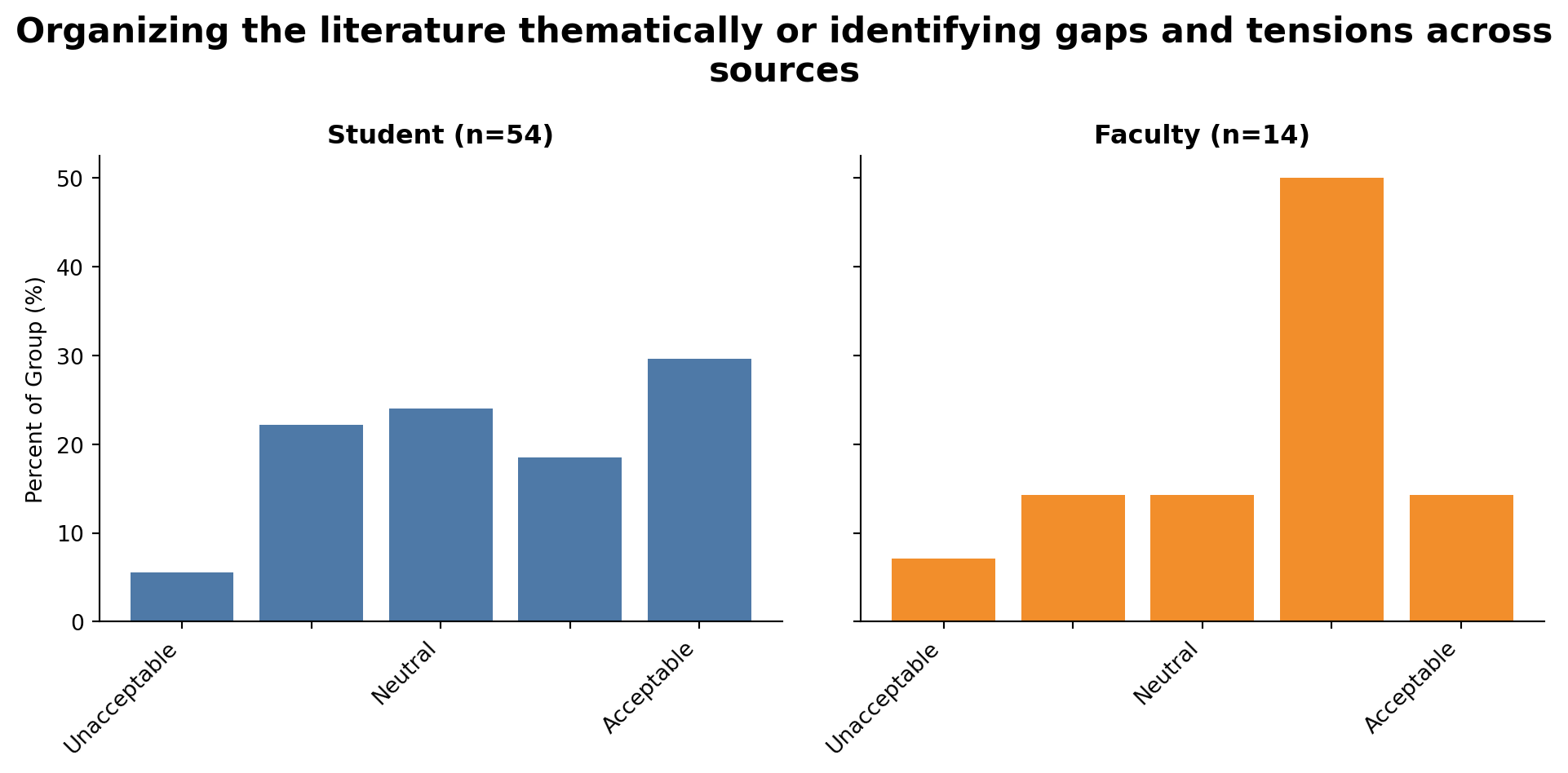
AI and the literature review
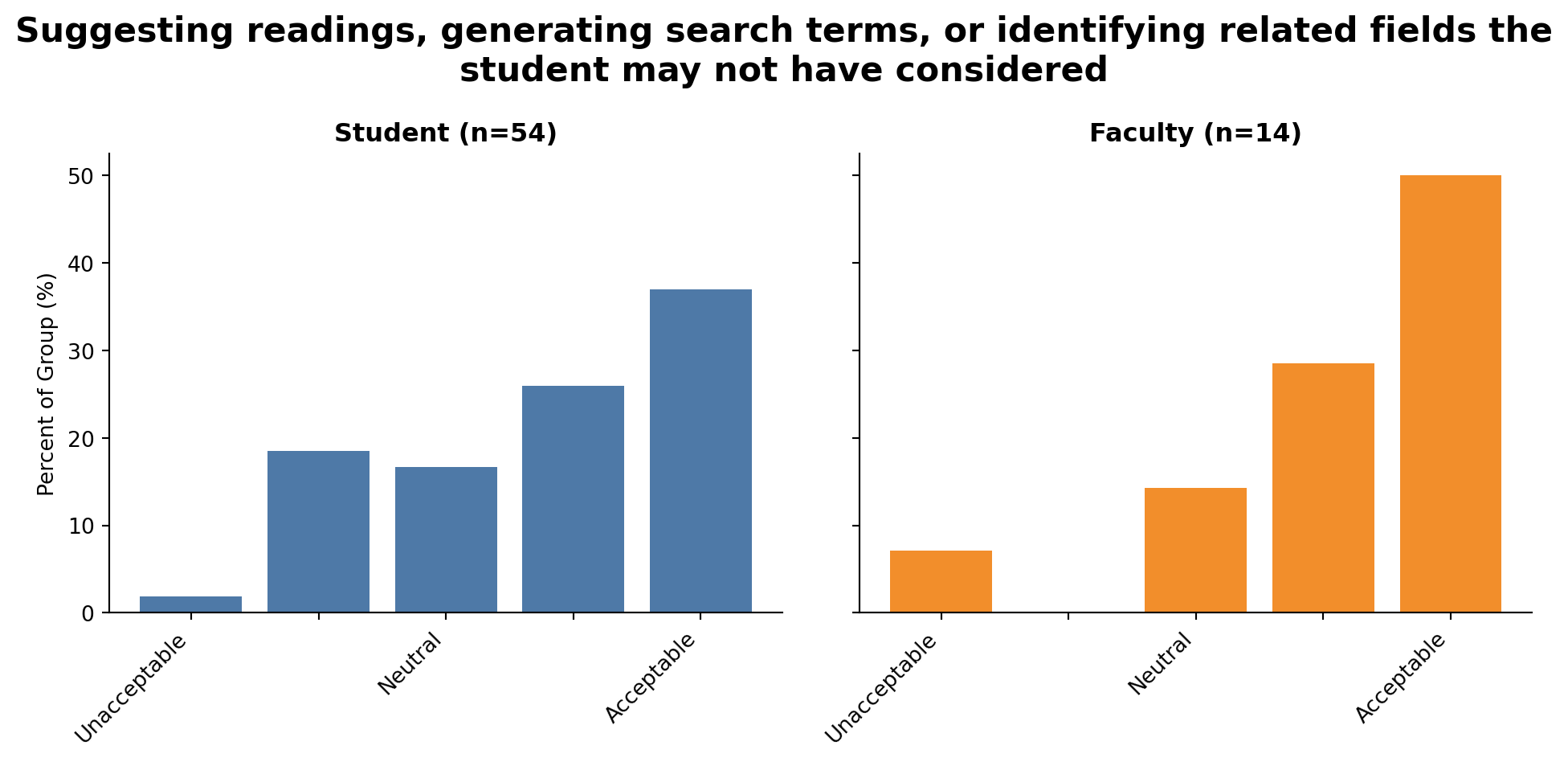
AI and the literature review
Methodology
- 500–1,500 words
- Explain techniques
- Identify data sources
- Report limitations
Quantitative versus qualitative
- Quantitative
- Broad
- Existing data → easier
- New data collection difficult
- Employability ↑
- Qualitative
- Detailed
- Data collection difficult
- Triangulate (= mixed-methods)
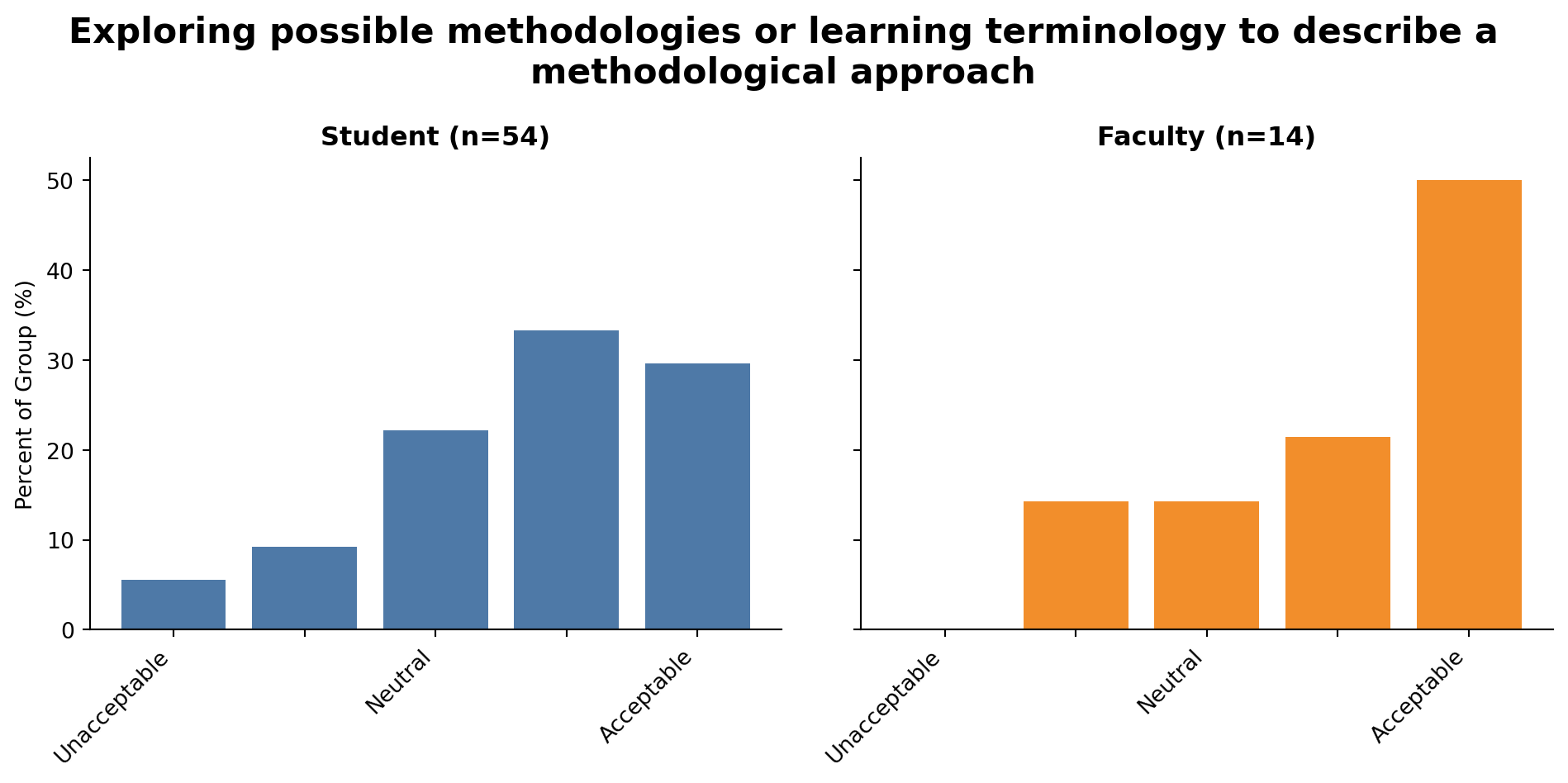
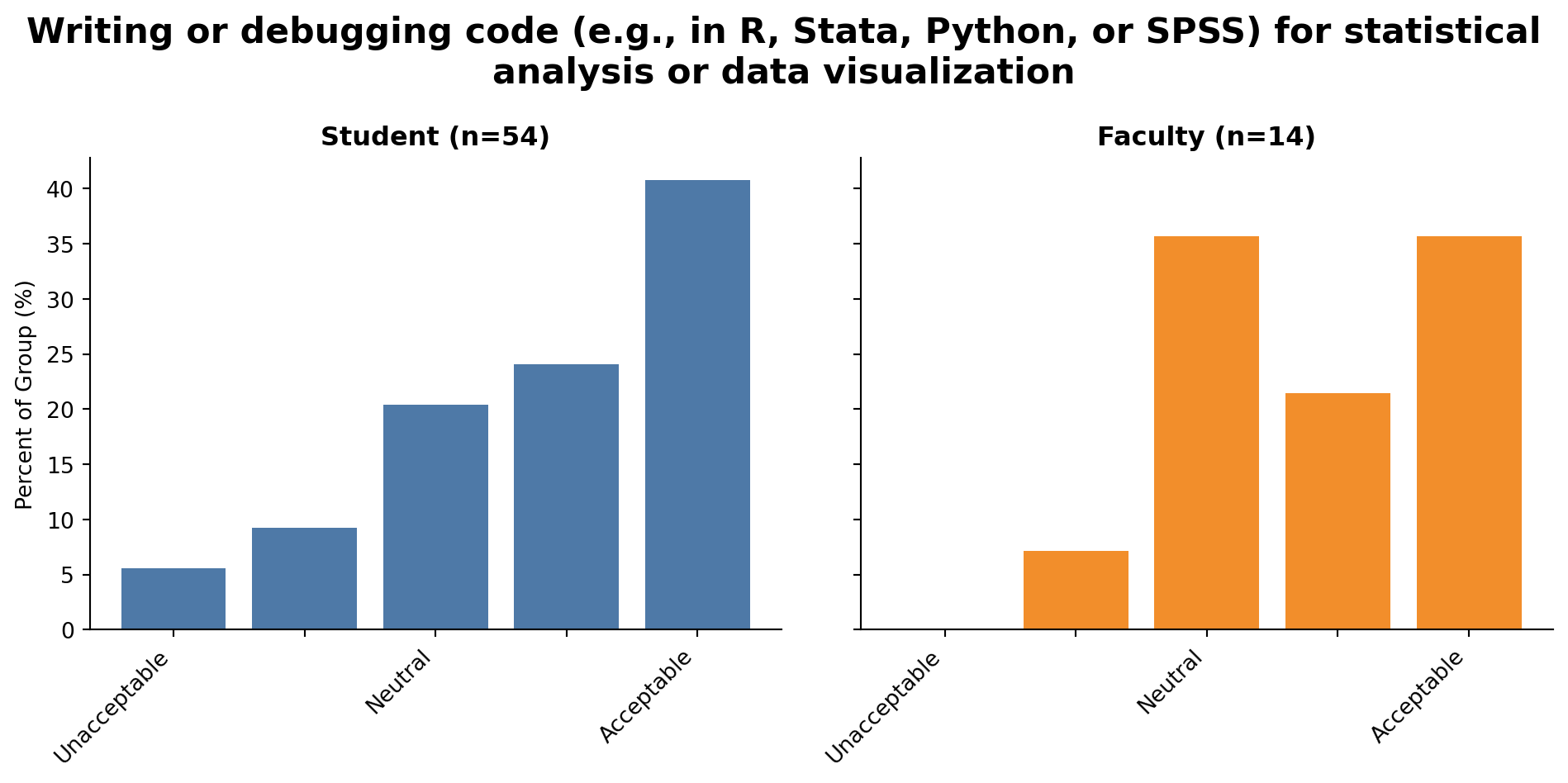
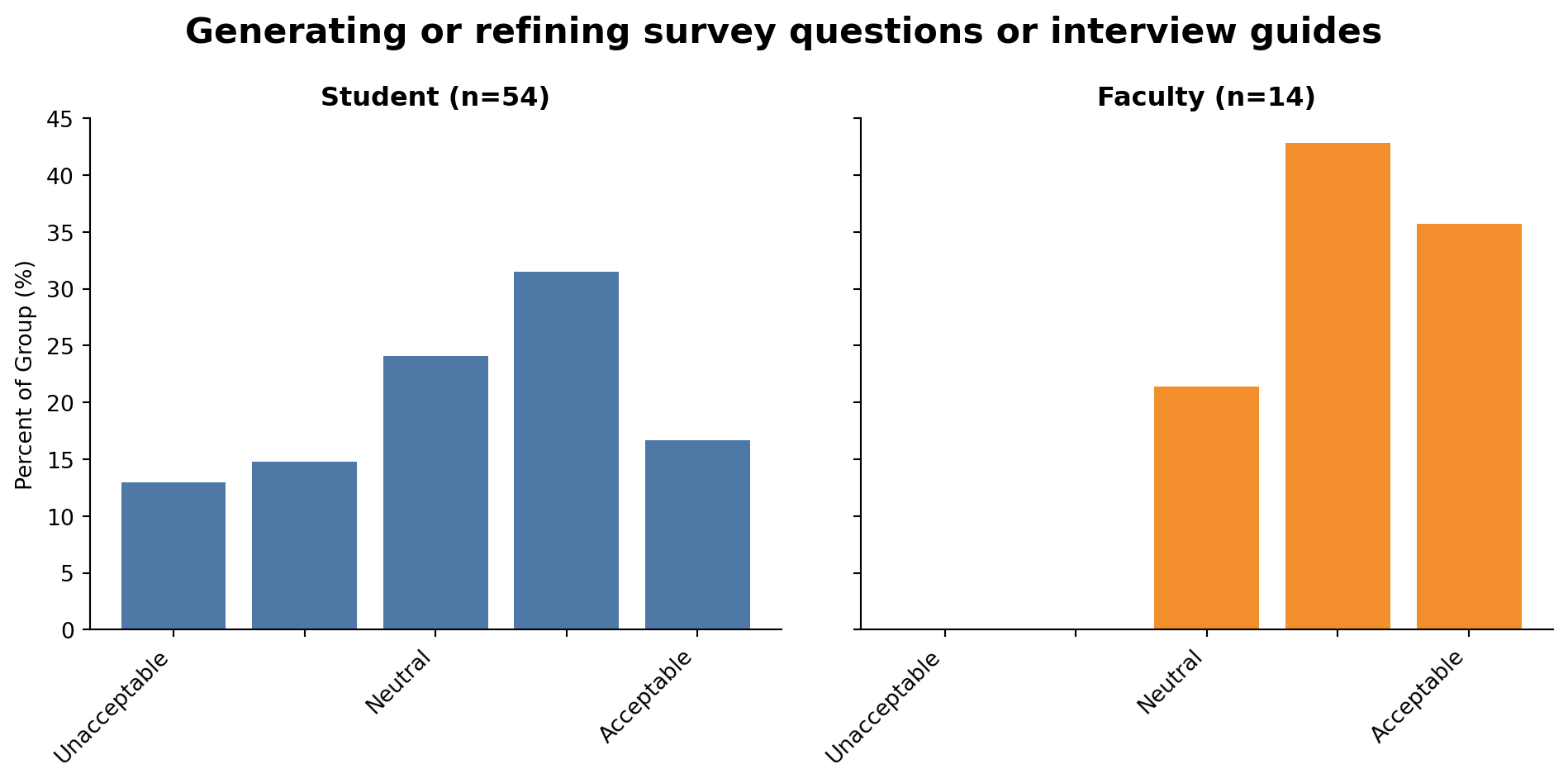
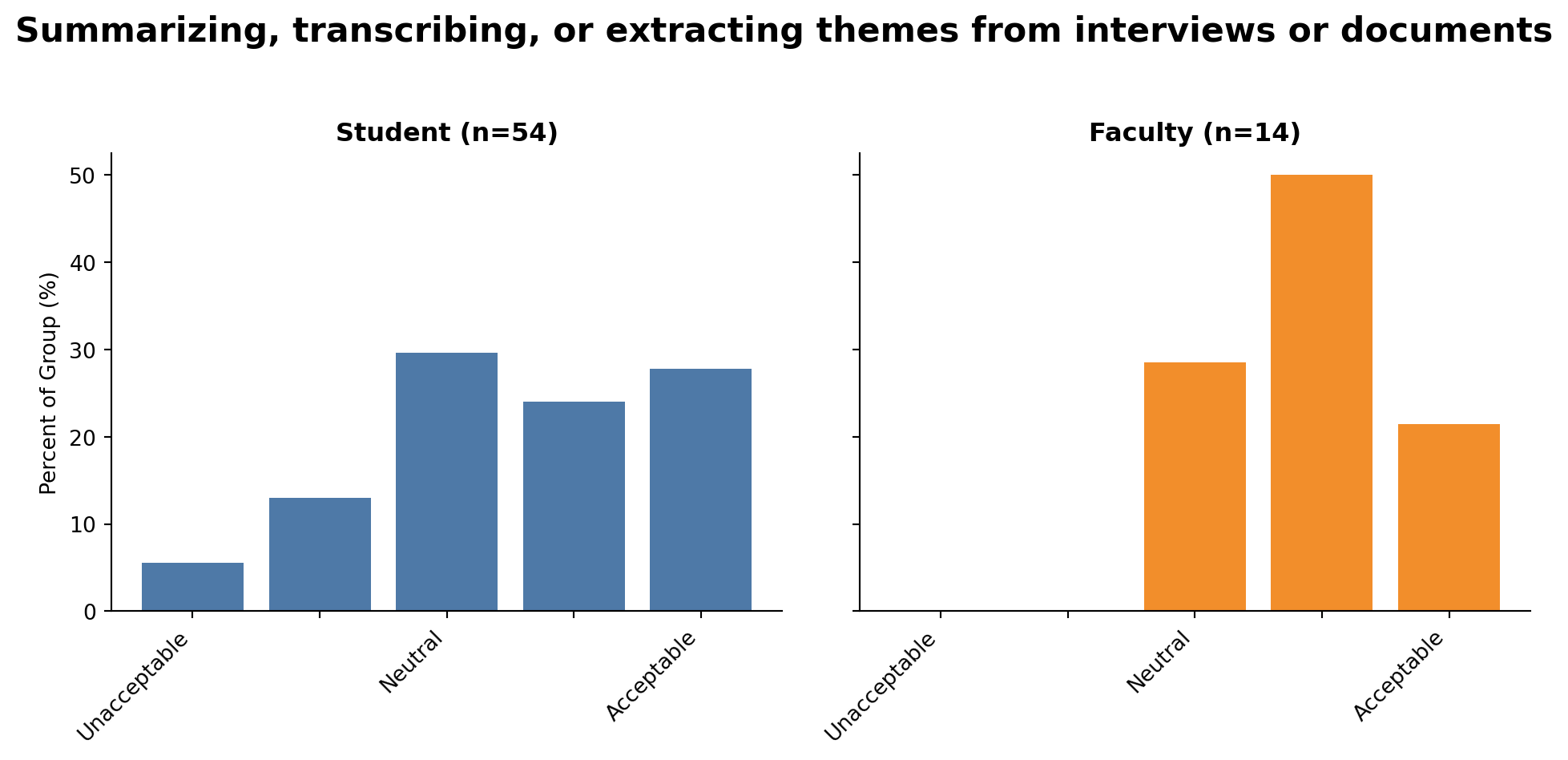
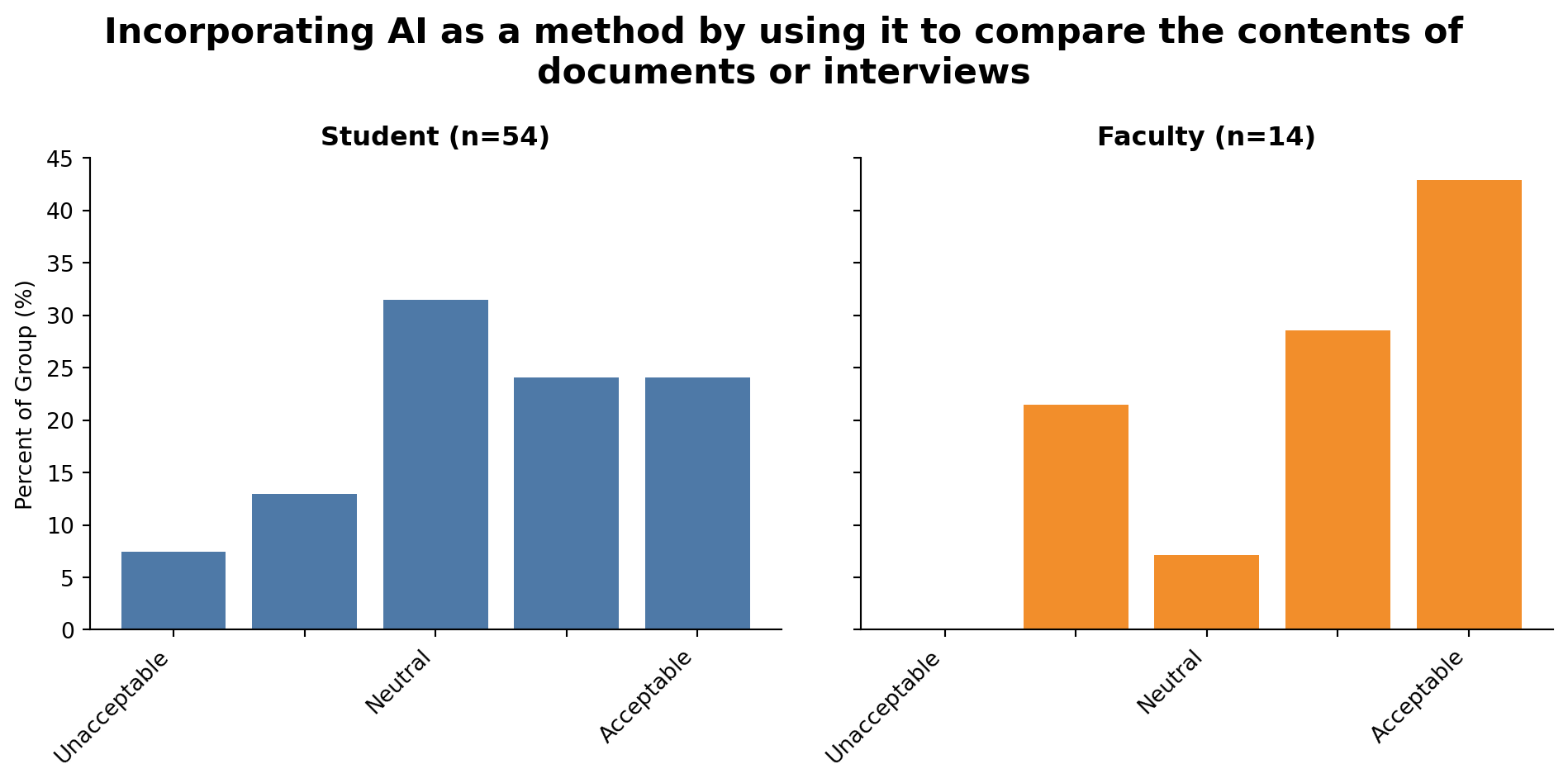
AI in your methodology
AI in your methodology
AI in your methodology
AI in your methodology
AI in your methodology
Findings
- 2,500–3,500 words
- Descriptive, not analytical
- Divide as necessary (e.g., by hypothesis, case, topic)
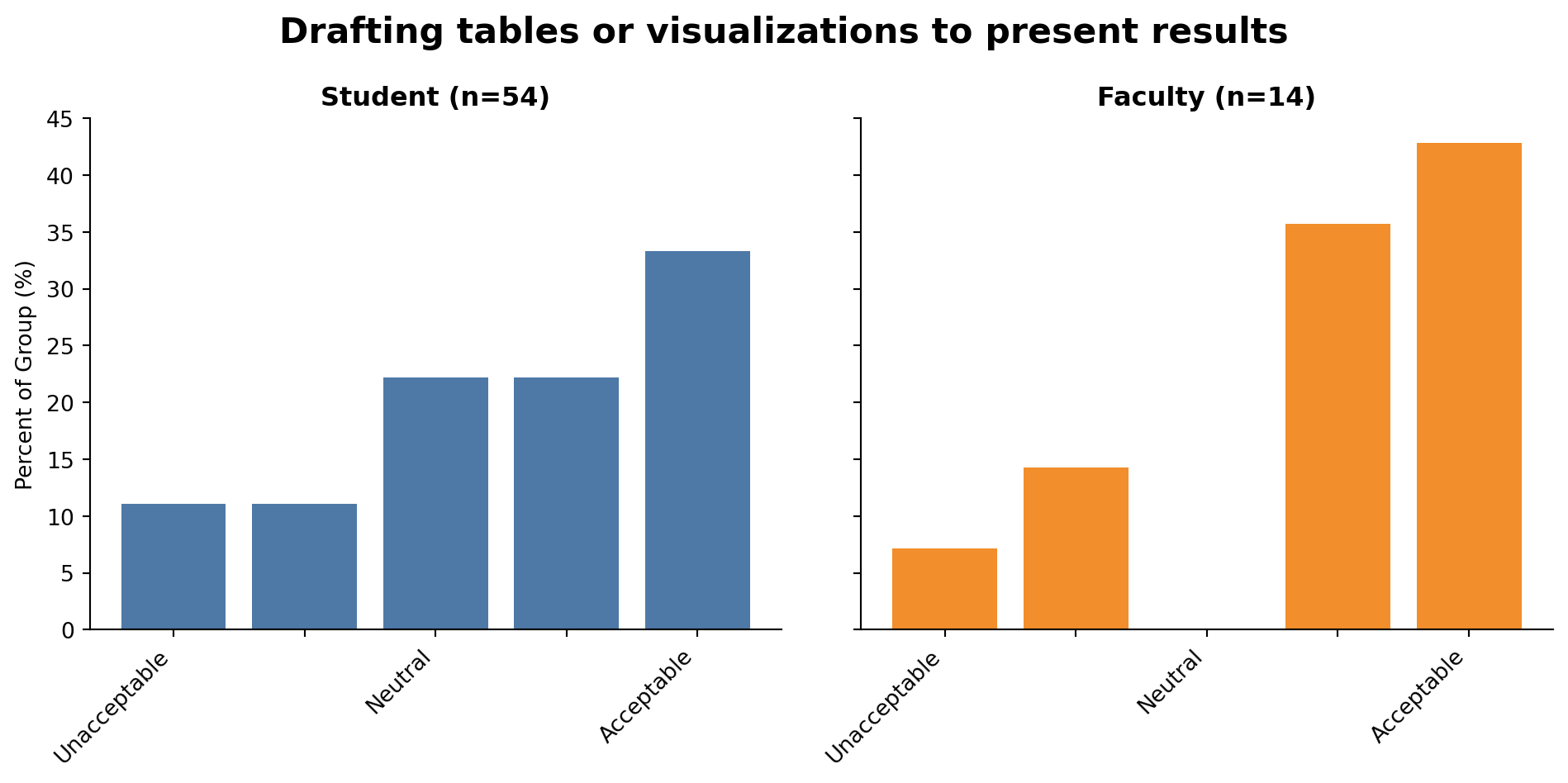
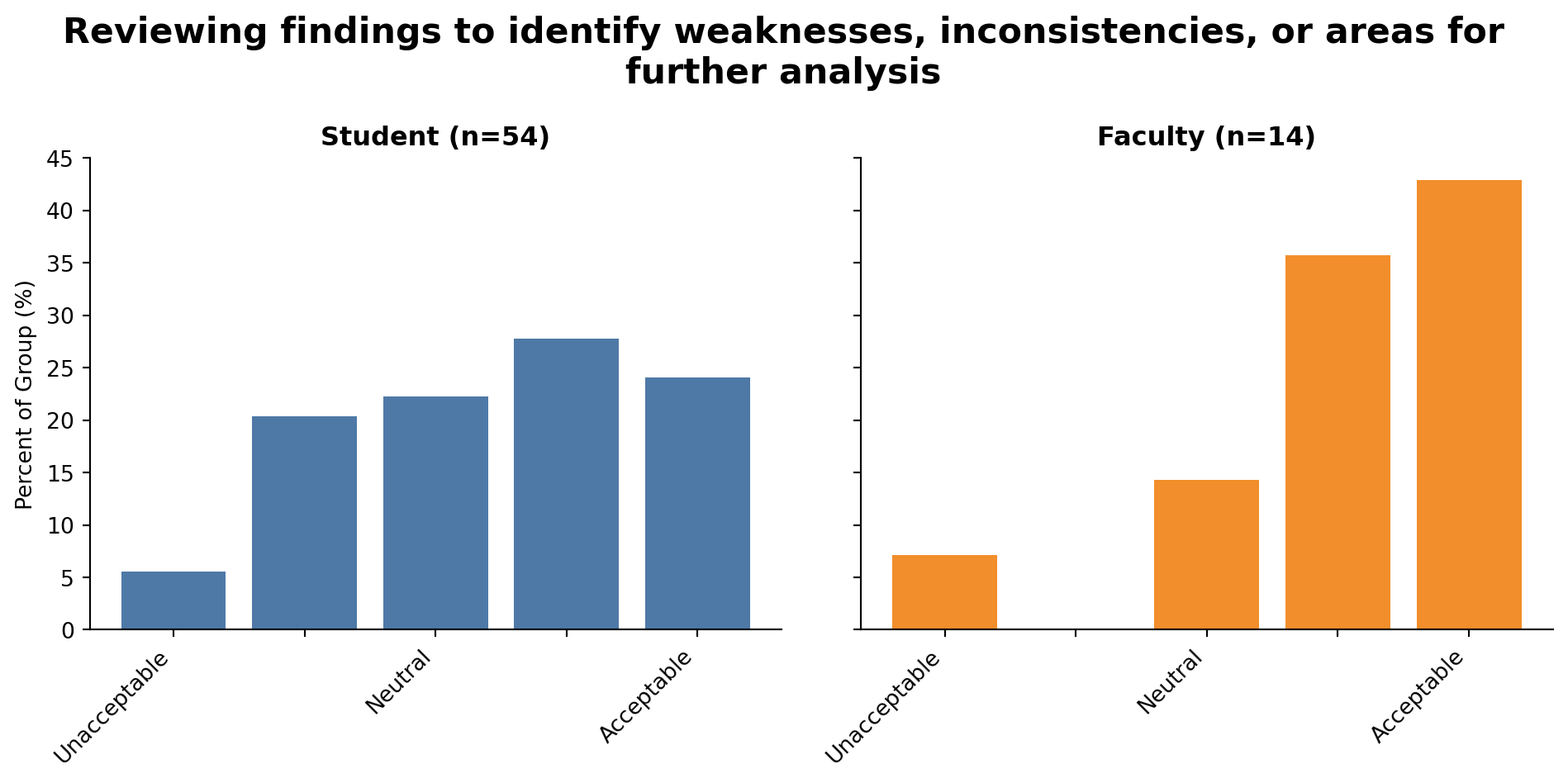
AI in your findings
AI in your findings
Discussion
- 1,500–2,000 words
- Purposes:
- Interpret and explain your findings
- Answer your research question
- Connect findings to literature review
- Must relate back to the literature review
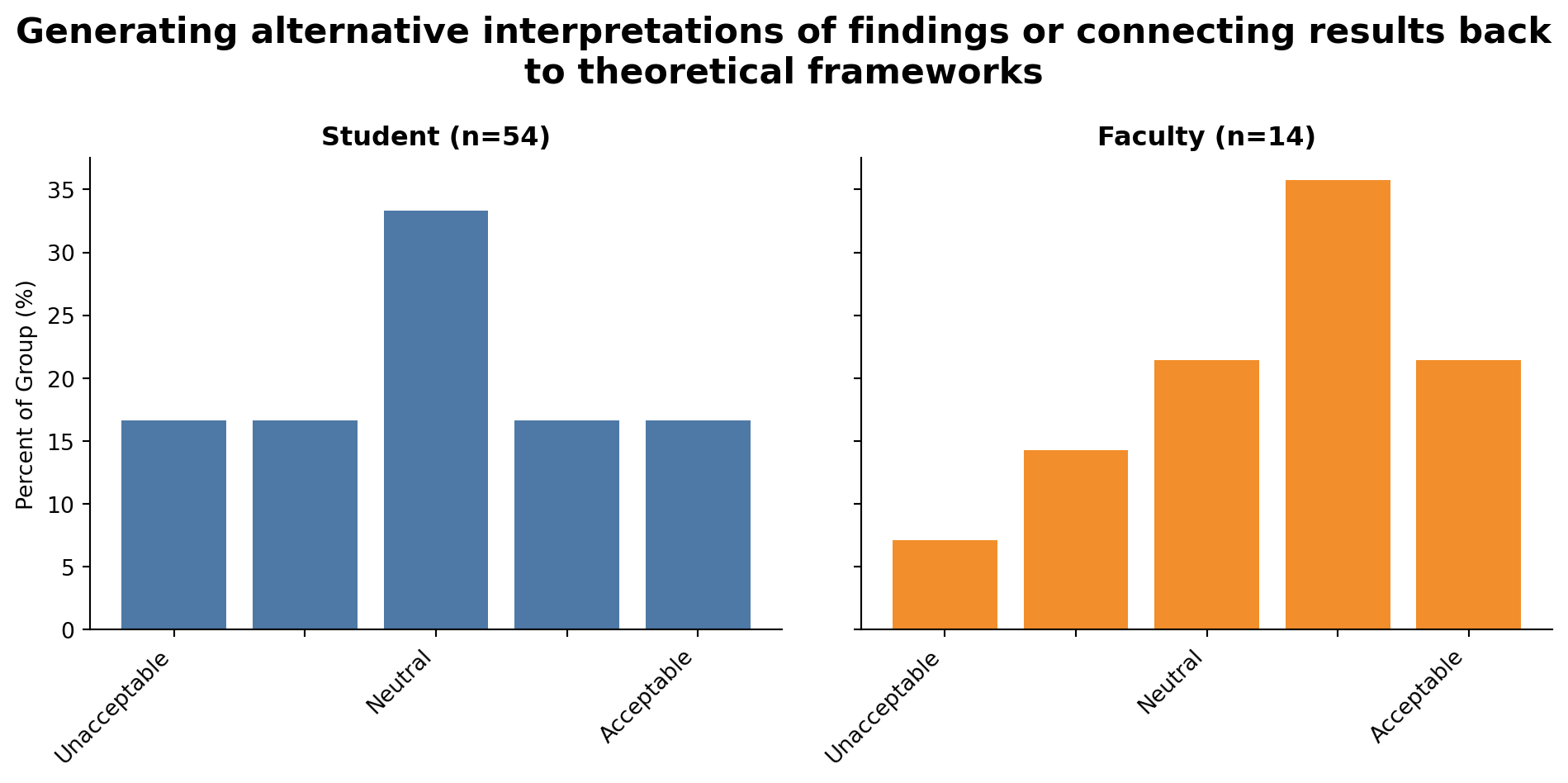
AI in your discussion
Conclusion
- 750–1,000 words
- Reintroduce question
- Quick summary of findings
- Policy recommendations
- Implications for literature
- Future research
- Revisit validity and generalization?
Other parts of the thesis
- Cover
- Abstract
- Acknowledgments
- Table of contents
- List of tables
- List of figures
- Bibliography
- Appendices
- Questionnaires
- List of interviews
- Additional tables or diagrams of potential interest
Abstract
- Roughly 250 words in single paragraph
- abstract ≠ introduction
- Contains:
- Research purpose/question
- Methodology
- Major findings
- Conclusions
Useful Tools
Useful resources
- Google Scholar (https://scholar.google.com)
- ISI Web of Knowledge
- Lexis-Nexis
- JSTOR
- Access through KU network or by logging in to the library website
- https://www.cuzproduces.com/producinganew/contents/thesis.php
Bibliographic databases

- Endnote
- Zotero
- Reference Manager
- JabRef
Styles and formatting (word processors)
- Facilitates formatting changes
- Allows automation of other document parts, like tables of contents

Conclusion
Summary
- Choose a topic that interests you.
- Start with a question, not a topic.
- Your lit review is the thesis’s foundation.
- Findings convey content of your research.
- Discussion connects findings to lit review.
- Cite properly.
Thank you.
References
Abbott, Andrew. 2004. Methods of Discovery: Heuristics for the Social Sciences. W. W. Norton & Co.
Booth, Wayne C., Gregory G. Colomb, and Joseph M. Williams. 2003. The Craft of Research. The University of Chicago Press.
Creswell, John W. 2003. Research Design: Qualitative, Quantitative, and Mixed Methods Approaches. Second. Sage Publications.
Desai, Vandana, and Robert B. Potter, eds. 2006. Doing Development Research. SAGE Publications.
Fainstein, Susan S. 2001. The City Builders: Property Development in New York and London, 1980-2000. 2nd ed. The City Builders. Property Development in New York and London, 1980-2000. Studies in Government and Public Policy. University of Kansas Press.
Flyvberg, Bent. 2001. Making Social Science Matter: Why Social Inquiry Fails and How It Can Succeed Again. Cambridge University Press.
Hart, Chris. 1998. Doing a Literature Review: Releasing the Social Science Research Imagination. Sage Publications.
O’Leary, Zina. 2018. Research Question. SAGE Publications Ltd. https://www.ebook.de/de/product/33315335/zina_o_leary_research_question.html.
Yin, Robert K. 2003. Case Study Research : Design and Methods. 3rd ed. Applied Social Research Methods Series ; v. 5. Sage Publications.
Plagiarism
Stealing is bad, m’kay?

GSIS definition of plagiarism
Plagiarism is the act of presenting the creative work of another person as if it were your own, without appropriate acknowledgment of the author or source.
— {visibility=“uncounted”}
Nothing is original. Steal from anywhere that resonates with inspiration or fuels your imagination. Devour old films, new films, music, books, paintings,… Select only things to steal from that speak directly to your soul. If you do this, your work (and theft) will be authentic. Authenticity is invaluable; originality is non-existent. And don’t bother concealing your thievery—celebrate it if you feel like it. In any case, always remember what Jean-Luc Godard said: “It’s not where you take things from—it’s where you take them to.”
—Jim Jarmusch
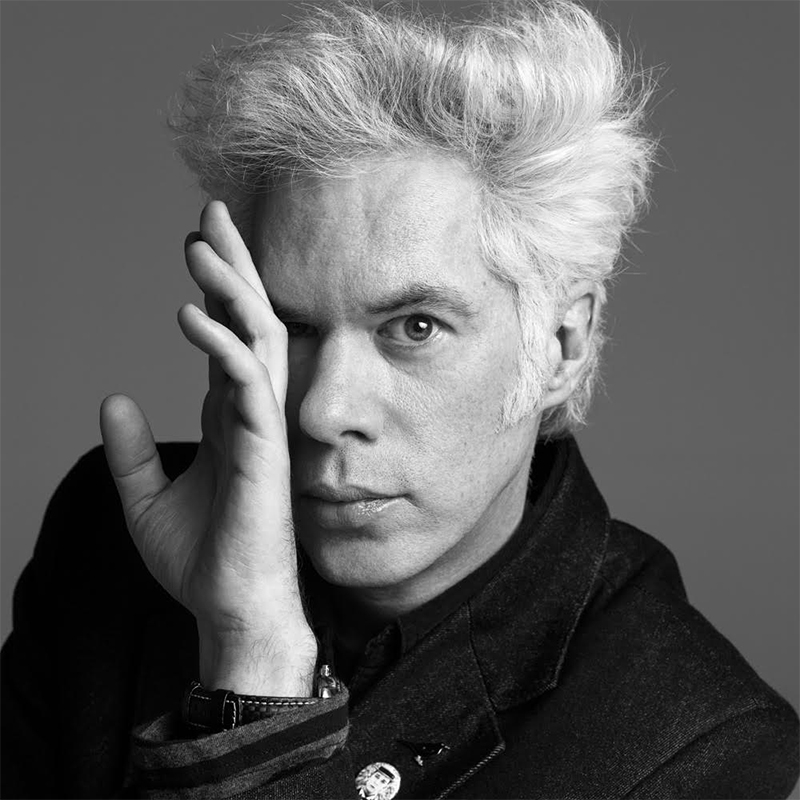
— {visibility=“uncounted”}
How do you avoid plagiarism?
— {visibility=“uncounted”}
CITE!!!
오빠, Chicago style
Chi-, Chi-, Chi-, Chi-, Chicago style!
Chicago style in text
- “Major developers found themselves in increasing difficulty” (Fainstein 2001).
- Citation comes after all cited material so that the reader does not confuse others’ ideas with yours.
- As Fainstein (2001) argues, “Major developers found themselves in increasing difficulty.”
- Implies that following material is drawn from another source, until you add a clear transition, like, “Contrary to her argument…”
- As Fainstein argues, “Major developers found themselves in increasing difficulty” (Fainstein 2001).
- “Major developers found themselves in increasing difficulty” (Fainstein 2001, 44).
- Blah, blah, blah (Abbott 2004; Fainstein 2001).
Types of plagiarism
Four types of plagiarism1
- Verbatim (Ctrl-C, Ctrl-V)
- Inadequate paraphrase (Remixes and mashups)
- Uncited paraphrase (IP theft)
- Uncited quotations (Duh!)
Ctrl-C, Ctrl-V
Source
The steeply climbing curve of returns from real-estate investment prompted a stream of new development proposals, which justified their costs with prognoses of ever-increasing returns.
Plagiarized?
Real estate investment increased dramatically in the 1990s because the steeply climbing curve of returns from real-estate investment prompted a stream of new development proposals, which justified their costs with prognoses of ever-increasing returns.
Ctrl-C, Ctrl-V: Solution 1
Source
The steeply climbing curve of returns from real-estate investment prompted a stream of new development proposals, which justified their costs with prognoses of ever-increasing returns.
Solution 1 = direct quotation with citation
Real estate investment increased dramatically in the 1990s. As Fainstein (2001) suggests, ”the steeply climbing curve of returns from real-estate investment prompted a stream of new development proposals, which justified their costs with prognoses of ever-increasing returns.”
Ctrl-C, Ctrl-V: Solution 2
Source
The steeply climbing curve of returns from real-estate investment prompted a stream of new development proposals, which justified their costs with prognoses of ever-increasing returns.
Solution 2 = paraphrase with citation
Real estate investment increased dramatically in the 1990s. As Fainstein (2001) suggests, increasing returns on real estate investment were used to justify new proposals.
Remixes and mashups
Source
The steeply climbing curve of returns from real-estate investment prompted a stream of new development proposals, which justified their costs with prognoses of ever-increasing returns.
Plagiarized?
Real estate investment increased dramatically in the 1990s. As real estate investment returns increased steeply, a stream of new development proposals justified their costs with predictions of ever-increasing returns.
Remixes and mashups: Solution 1
Source
The steeply climbing curve of returns from real-estate investment prompted a stream of new development proposals, which justified their costs with prognoses of ever-increasing returns.
Solution 1 = adequate paraphrase with citation
Real estate investment increased dramatically in the 1990s. In the wake of increasing returns from developments earlier in this period, developers used these returns to justify new proposals (Fainstein 2001).
Remixes and mashups: Solution 2
Source
The steeply climbing curve of returns from real-estate investment prompted a stream of new development proposals, which justified their costs with prognoses of ever-increasing returns.
Solution 2 = direct quotation with citation
Real estate investment increased dramatically in the 1990s. Building on increasing returns from developments earlier in this period, new proposals “justified their costs with prognoses of ever-increasing returns” (Fainstein 2001).
IP theft
Source
The steeply climbing curve of returns from real-estate investment prompted a stream of new development proposals, which justified their costs with prognoses of ever-increasing returns.
Plagiarized?
Real estate investment increased dramatically in the 1990s. In the wake of increasing returns from developments earlier in this period, developers used these returns to justify new proposals.
IP theft: Solution
Source
The steeply climbing curve of returns from real-estate investment prompted a stream of new development proposals, which justified their costs with prognoses of ever-increasing returns.
Solution = adequate paraphrase with citation
Real estate investment increased dramatically in the 1990s. In the wake of increasing returns from developments earlier in this period, developers used these returns to justify new proposals (Fainstein 2001).
or
Real estate investment increased dramatically in the 1990s. According to Fainstein (2001), in the wake of increasing returns from developments earlier in this period, developers used these returns to justify new proposals.
Duh!
Source
“The steeply climbing curve of returns from real-estate investment prompted a stream of new development proposals, which justified their costs with prognoses of ever-increasing returns.”
Plagiarized?
Real estate investment increased dramatically in the 1990s. As a result, “the steeply climbing curve of returns from real-estate investment prompted a stream of new development proposals, which justified their costs with prognoses of ever-increasing returns”. And politicians failed to see the false logic this entailed.
Duh!: Solution
Source
The steeply climbing curve of returns from real-estate investment prompted a stream of new development proposals, which justified their costs with prognoses of ever-increasing returns.
Solution = quotation with citation
Real estate investment increased dramatically in the 1990s. As a result, “the steeply climbing curve of returns from real-estate investment prompted a stream of new development proposals, which justified their costs with prognoses of ever-increasing returns” Fainstein (2001). And politicians failed to see the false logic this entailed.
In practice
Build your ideas into an outline.
Then write.

Prepared for Campus Asia